Black Cat Number 7: A Charming Embroidery Design for Meaningful Gifts
First Impressions: Sweet, Sophisticated, and Full of Personality
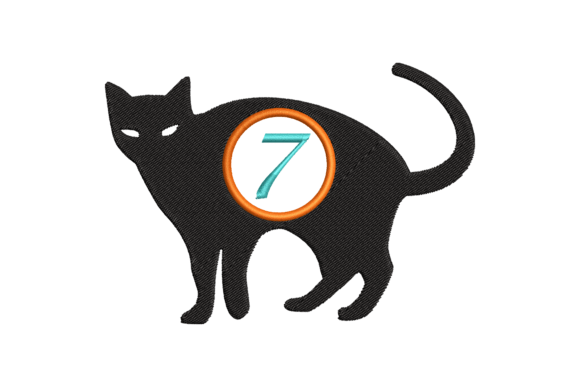
As an embroidery designer who’s tested hundreds of machine embroidery designs for personalized gift shops, I was immediately drawn to Black Cat Number 7. It strikes that rare balance—playful enough for a baby blanket or nursery pillow, yet elegant enough for a wedding keepsake or monogrammed kitchen towel. The cat’s pose is relaxed but intentional, with soft curves and subtle detailing in the ears and tail. It doesn’t feel cartoonish or overly stylized; instead, it reads as timeless, handmade, and quietly confident. There’s warmth in its expression—a gentle charm that invites touch and connection. For customers seeking something more personal than generic clip art, Black Cat Number 7 delivers emotional resonance without sacrificing refinement.
Where This Design Truly Shines
This design excels across multiple personalized gift categories—especially where storytelling and sentiment matter. As a machine embroidery design, it adapts beautifully to varied applications:
- Baby embroidery: Perfect for onesies, burp cloths, and receiving blankets—especially when paired with a name or birth date. Its soft silhouette avoids harsh lines that can overwhelm delicate baby items.
- Wedding gift: Stitched onto linen napkins, guestbook covers, or embroidered handkerchiefs, it adds quiet whimsy and individuality to formal occasions.
- Nursery decor: Works wonderfully on pillow covers, wall hangings, or quilt blocks. The number “7” lends itself to birth month, lucky number gifting, or even a nod to the seven-year anniversary.
- Embroidered towel & kitchen gifts: Looks crisp on cotton or linen towels—ideal for Back To School teacher appreciation gifts or custom aprons for educators.
- Etsy seller & small shop product: Stands out in listings thanks to its distinctive charm. Customers consistently respond to designs that feel curated—not mass-produced—and Black Cat Number 7 fits that niche perfectly.
- Custom tote bags & blanket embroidery: Scales well (when used within recommended dimensions) and maintains clarity on medium-weight canvas or cotton twill.
Smart Placement Matters: Where to Use With Care
Like any thoughtful digital embroidery file, Black Cat Number 7 performs best when matched to the right context. Here’s where extra attention pays off:
- Small lettering or fine details: If your version includes tiny text (e.g., “Est. 2024” or initials), test stitch first—fine serifs may blur on low-density fabric.
- Textured fabric: Avoid heavy bouclé or nubby weaves unless you use cutaway stabilizer and reduce top tension slightly.
- Thick towels or terry cloth: Hoop tightly and consider topping with water-soluble stabilizer to prevent thread nesting in loops.
- Stretchy baby clothes: Use lightweight tear-away + topping, and avoid placing near seams or elastic edges where distortion occurs.
- Curved surfaces (mugs, bottles): Not recommended—this is a flat-fabric embroidery file, not a heat-transfer or sublimation design.
- Dark fabric: Always check thread color contrast. Light gray or ecru thread may disappear on charcoal; opt for cream or antique white instead.
- Frequent-wash items: Confirm stitch density supports durability—tighter fills hold up better over time, especially on baby blankets or kitchen linens.
Why It Elevates Your Handmade Product—and Your Customer’s Experience
Black Cat Number 7 does more than decorate—it deepens giftability. When stitched onto a custom tote or baby blanket, it signals care, intention, and craftsmanship. Buyers notice that. They trust handmade quality more when details feel considered—not rushed or auto-generated. That perceived value translates directly to pricing confidence: you can position pieces featuring this design at a premium tier without over-explaining.
For Etsy sellers and craft fair vendors, it also boosts buyer engagement. The design photographs beautifully—its clean lines and balanced negative space create strong visual contrast in natural light. Pair it with a simple printable mockup showing it on a folded towel or pillow cover, and conversions rise. Customers imagine it in their own homes, on their own milestones. That emotional connection? That’s what turns a one-time buyer into a repeat client.
Practical Embroidery Notes Before You Stitch
Before adding Black Cat Number 7 to your next batch of personalized gift orders, run through these essentials:
- Test on scrap fabric—same type and color as your final product.
- Check thread color contrast on both light and dark fabric swatches.
- Confirm hoop size compatibility with your machine and intended placement (e.g., corner of a towel vs. center of a pillow cover).
- Review stitch density: Is it dense enough for durability but not so heavy it stiffens delicate fabrics?
- Choose stabilizer wisely: Tear-away for stable wovens, cutaway for knits or high-wear items, topping for textured surfaces.
- Compare light/dark fabric mockups—subtle shifts in tone affect mood and readability.
- Inspect small details post-stitch: Are whiskers defined? Does the number “7” read clearly at your chosen scale?
- Verify commercial licensing before selling finished products—this is essential for Etsy sellers, wholesale partners, and digital product creators.
If any specs—like exact stitch count, compatible file formats (.pes, .jef, .dst), or official hoop size—are missing from your download, don’t guess. Reach out to the designer or vendor. Clarity here prevents costly rework and protects your reputation as a detail-oriented maker.
A Design That Fits Real Life—and Real Customers
In my years designing for small shops and handmade brands, I’ve learned that the most successful embroidery files aren’t just technically sound—they resonate. Black Cat Number 7 does both. It’s versatile enough for Back To School teacher gifts, tender enough for newborn announcements, and distinctive enough to anchor a signature collection. Whether you’re stitching for a boutique, prepping for a craft fair, or listing your next Etsy bestseller, this custom embroidery design earns its place in your library—not as filler, but as a trusted storyteller.