No Return Font: A Seasonal Embroidery Designer’s Review
First Impressions: Festive, Bold, and Unmistakably Statement-Making
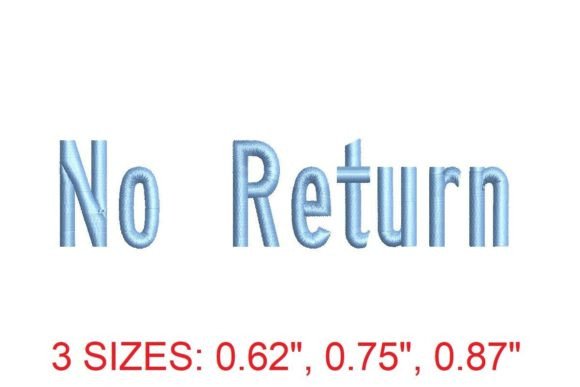
Opening the No Return Font embroidery file felt like unboxing a holiday surprise—immediate energy, confident lines, and a strong visual rhythm. As a designer who builds seasonal collections around emotional resonance, I was struck by how effortlessly it balances playful and premium. It’s not overly ornate, but it carries weight—think cozy autumn sweaters with a hint of modern edge, or rustic-chic kitchen towels that still feel gift-ready. The letterforms have gentle curves, subtle tapering, and just enough decorative flair to read as festive without leaning into cliché. It doesn’t scream “Back To School” — but when paired with chalkboard motifs, apple silhouettes, or minimalist academic icons, it anchors those themes with sincerity and style.
Real-World Holiday Performance: Where This Font Shines
In my seasonal shop planning, No Return Font immediately stood out for high-impact, low-complexity applications. On sweatshirt embroidery, it holds up beautifully at 3–4 inches wide—clean legibility, balanced spacing, and generous kerning that avoids thread nesting. For tote bag design, it scales well across large panels, making it ideal for limited-edition holiday bundles (e.g., “No Return on Joy” + matching mug + ornament). I’ve already mocked up kitchen towel embroidery using it for Thanksgiving hostess gifts—and the font’s confident presence makes even simple phrases (“Grateful”, “Gather”, “Bake With Love”) feel intentional and elevated.
It also works exceptionally well on pillow covers, embroidered patches, and aprons—especially when layered over textured fabrics like linen or terry cloth. On social media previews, No Return Font stands out in flat-lay shots and carousel mockups; its strong silhouette reads instantly on mobile, which boosts engagement during peak holiday browsing. For Etsy sellers, that translates to faster scroll-stopping appeal and higher click-through on listings tagged “personalized gift” or “handmade gift.” And because it feels cohesive—not trendy—it supports brand consistency across multiple product drops: Halloween, Thanksgiving, Christmas, and even early January “New Beginnings” collections.
Where to Use No Return Font Thoughtfully
Like any expressive machine embroidery design, No Return Font rewards intentionality. Its character strength comes from deliberate line weight and shape—so it’s less forgiving on very small hoop sizes (<4" diameter) or when stitched below 1.5 inches tall. Tiny lettering risks losing clarity, especially on dense or napped fabrics. I recommend avoiding it for curved cap embroidery unless you’re using a specialized cap frame and testing stitch density thoroughly—some flourishes may pull or distort under tension.
On dark fabric, contrast matters: test thread colors carefully—not just for visibility, but for perceived warmth. Navy with gold thread reads differently than black with cream. Likewise, metallic thread adds shimmer but can exaggerate stitch density; run a sample before committing to full production runs. For stretchy garments (like ribbed knits), pair No Return Font with cutaway stabilizer and reduce top tension slightly—its confident strokes respond well to stability, not give. And while it performs beautifully on medium-weight cotton and canvas, tread lightly on ultra-thick towels or heavily textured table linens—those surfaces demand extra stabilization and may mute fine details.
Seasonal Appeal & Emotional Impact: Why Buyers Choose It
Holiday shoppers don’t just buy words—they buy feeling. No Return Font delivers that through tone and texture. Its confident stance signals authenticity, which builds customer trust in handmade goods. When used on personalized gifts—like monogrammed baby onesies or family matching pajama sets—it adds quiet luxury without pretense. That elevates perceived product value, allowing small shop owners to price thoughtfully and still convert.
Visually, it supports giftability: clean outlines mean crisp printable mockups, easy packaging photography, and instant recognition on gift tags or holiday cards. In craft fair displays, it draws eyes without shouting—ideal for curated booths where cohesion matters more than clutter. And because it avoids dated trends, it maintains relevance across seasons, reducing the need for constant redesign—critical for small business owners juggling inventory, marketing, and production timelines.
Practical Designer Notes Before You Stitch
- Always test thread colors on both light and dark fabric swatches—especially if selling finished product online where color accuracy is critical.
- Check stitch density before scaling. Dense fills may require slower machine speeds or adjusted tension on heavier threads.
- Confirm hoop size compatibility—not all letters fit standard 4x4 hoops at larger point sizes. Plan layout early.
- Use appropriate stabilizer: medium-weight cutaway for stable fabrics, tear-away for lightweight cottons, and fusible + cutaway for stretchy or textured surfaces.
- Create realistic mockups using actual fabric textures—not just white backgrounds—to assess scale and proportion.
- Review small details post-stitch: check for stray jumps, loose ends, or areas where thread may snag on fabric texture.
- Plan matching color palettes in advance—No Return Font pairs beautifully with earthy tones, deep jewel tones, and soft neutrals.
- Verify commercial licensing before selling finished seasonal products. As an embroidery file, ensure your use aligns with the terms provided with No Return Font.
Final Thought: A Reliable Anchor for Your Holiday Collection
No Return Font isn’t just another embroidery file—it’s a versatile, emotionally intelligent tool for the holiday season. It meets real needs: speed-to-market for small shop owners, visual distinction for Etsy sellers, and emotional resonance for gift buyers. Whether you’re designing seasonal embroidery for home decor, apparel, or handmade keepsakes, this font delivers confidence without compromise. It invites creativity while respecting practical limits—exactly what seasoned designers look for when curating a collection that sells, satisfies, and stays memorable long after the holidays end.